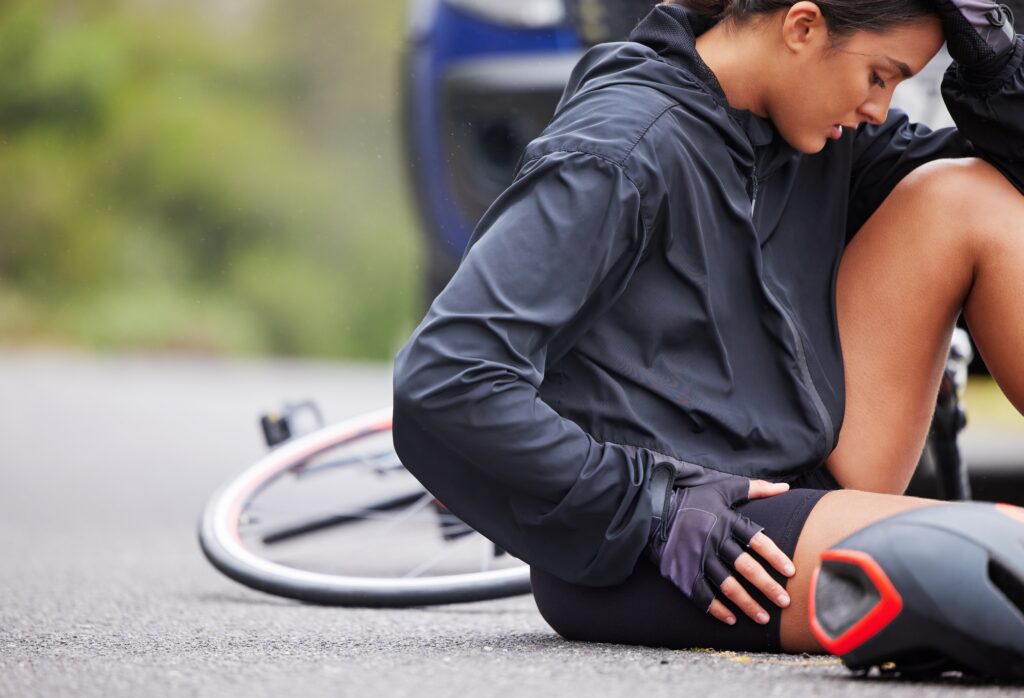
For cyclists in Ontario, changes to the province’s auto insurance rules that took effect on July 1, 2026, may have important implications following a collision with a motor vehicle, even for cyclists who do not own a car.
The changes affect Ontario’s accident benefits system and, in some circumstances, may reduce the financial support available to an injured cyclist. Understanding what has changed, which benefits remain mandatory, and what steps to take following a collision can help cyclists and their families make informed decisions during what can already be a difficult and uncertain time.
What Changed on July 1?
Ontario’s Statutory Accident Benefits Schedule, or SABS, establishes the no-fault benefits available to people injured in motor vehicle collisions, regardless of who was responsible for the accident.
Historically, Ontario auto insurance policies included a standard package of accident benefits. As of July 1, 2026, the structure of this coverage has changed. Under the amended regulation, a smaller set of benefits remains mandatory. In contrast, several forms of coverage (including income replacement, caregiver benefits, and housekeeping assistance) are now optional and may be purchased by drivers.
According to Ontario’s insurance regulator, the changes are intended to give consumers greater control over their insurance coverage and premiums by allowing them to select benefits based on their individual circumstances.
While this may provide greater flexibility for drivers, the changes can create additional uncertainty for cyclists injured in motor vehicle collisions. The benefits available following an accident may now depend, in part, on the coverage applicable to the claim.
Why These Changes Matter for Cyclists
Cyclists can qualify for statutory accident benefits when they are injured in a collision involving a motor vehicle. However, they do not necessarily control the insurance coverage that will ultimately respond to their claim.
Before the July 2026 changes, many accident benefits were included as standard coverage. The new framework means certain benefits that previously provided financial assistance following a serious injury may no longer be automatically available.
This can be particularly significant when an injury prevents someone from returning to work or requires additional assistance at home. Lost income, changes in caregiving responsibilities, and other unexpected expenses can place considerable financial pressure on an injured person and their family at a time when their primary focus should be on recovery.
For this reason, cyclists should not assume that the same benefits available under the previous system will necessarily be available following a collision after July 1, 2026.
“I Don’t Own a Car. Am I Still Covered?”
Cyclists and pedestrians who do not own a vehicle may still be entitled to statutory accident benefits after being struck by a motor vehicle. The July 2026 changes do not eliminate access to the benefits that remain mandatory under SABS.
The more difficult question may involve benefits that are now optional.
Eligibility for optional benefits can depend on the applicable insurance policy and the injured person’s relationship to an insured person under that policy. As a result, an injured cyclist should not assume that optional coverage purchased by a driver will necessarily extend to them.
This means that two cyclists injured in similar circumstances could have access to different accident benefits depending on the insurance policies that apply to their respective claims.
Where the vehicle involved cannot be identified, or the at-fault driver is uninsured, the Motor Vehicle Accident Claims Fund may provide compensation as a payer of last resort. However, the Fund is subject to the applicable statutory rules and should not be viewed as a substitute for optional insurance coverage.
Determining which insurer or source of coverage applies can be complicated. Following a serious cycling accident, obtaining advice about the specific policies and statutory rules that apply to your circumstances can help clarify your available options.
Which Benefits Remain Mandatory?
Certain benefits remain required under Ontario auto insurance policies. These include medical, rehabilitation, and attendant care benefits, which can help pay for treatment, rehabilitation services, and assistance with personal care following an injury.
The reforms also change how certain medical and rehabilitation expenses interact with other forms of health coverage. In many circumstances, the auto insurer will now respond before employer-sponsored extended health benefits, although different rules may apply to certain expenses, including medications.
These mandatory benefits can provide important support throughout recovery. However, they do not necessarily address every financial consequence of a serious cycling injury.
Which Benefits May No Longer Be Available?
Several benefits that were previously included as standard coverage are now optional. Depending on the insurance coverage applicable to a particular claim, these may include:
- Income replacement benefits
- Non-earner benefits
- Caregiver benefits
- Housekeeping and home-maintenance benefits
- Death and funeral benefits
- Visitor expenses
- Lost educational expenses
- Compensation for damaged clothing and certain other personal items
For many injured cyclists, income replacement can be particularly important. A serious injury may require weeks or months away from employment, creating financial uncertainty alongside the physical and emotional challenges of recovery.
Under the new framework, however, an injured cyclist should not assume that income replacement or other optional benefits will be available. Eligibility will depend on the circumstances of the accident, the applicable policies, and the coverage provided under those policies.
If a collision has resulted in significant injuries or financial losses, identifying all potentially applicable insurance coverage should be an early part of the claims process.
Why Reviewing Your Household’s Auto Insurance Matters (Even If You Primarily Cycle)
Cyclists may not immediately think of their own household’s auto insurance when considering what would happen after a cycling accident. However, if you or another member of your household has auto insurance, that policy may be relevant depending on the circumstances and the priority rules that determine which insurer is responsible for paying accident benefits.
The July 2026 changes make it particularly important to understand the coverage your household has chosen.
Policies renewing on or after July 1, 2026, do not necessarily lose benefits that were previously included. Existing coverage may generally continue as optional coverage unless the policyholder agrees in writing to change or decline it.
When purchasing a new policy or reviewing an upcoming renewal, consider discussing the available optional benefits with your insurance broker or provider. It may also be helpful to confirm who within your household would be protected by that coverage.
Taking the time to understand these details in advance can help reduce uncertainty if you or a family member is later involved in a serious collision.
What to Do If You’re Hit By a Vehicle While Cycling
The aftermath of a cycling collision can be overwhelming, particularly when injuries are involved. Your immediate priority should be your health and safety. Once you are able, several steps can help protect your ability to pursue an insurance claim.
- Seek medical attention. Obtain appropriate medical care even if your injuries initially appear minor. Some injuries may become more apparent in the hours or days following a collision. Medical documentation can also become important when establishing the nature and extent of your injuries.
- Report the collision and preserve relevant information. Report the accident to police where required and obtain as much information as reasonably possible, including the driver’s contact details, insurance information, vehicle information, and details of any witnesses.
- Notify the appropriate insurer. Ontario’s insurance regulator advises that accidents generally be reported to the insurer within seven days, or as soon as reasonably possible thereafter. Accident benefits applications should generally be completed and returned within 30 days of receiving the application package. Failing to meet applicable deadlines may complicate a claim, so it is important to act promptly.
- Consider speaking with an Ontario cycling accident lawyer. The changes introduced in July 2026 can make it more complex to determine available accident benefits. Following a serious injury, legal advice can help you understand which insurance policies may apply, what benefits may be available, and whether there are other avenues through which compensation may be pursued.
Get Advice Following an Ontario Cycling Accident
A collision involving a cyclist and a motor vehicle can have consequences that extend well beyond the initial injury. Time away from work, ongoing treatment, rehabilitation, and changes to everyday responsibilities can affect both the injured person and their family.
Ontario’s new accident benefits rules add another consideration at an already challenging time. You do not have to determine how the insurance system applies to your circumstances on your own.
If you have been injured while cycling, our team can review the circumstances of your collision, explain how Ontario’s accident benefits rules may apply, and help you understand the options available to you.
If you were hit by a vehicle while cycling in Ontario, consider seeking legal advice promptly. Contact our team to discuss your situation and learn more about your next steps.